
News & Upcoming Events.
Sustaining AANHPI Student Success:
Leadership Strategies for Institutional Impact
Friday, August 21, 2026 at 11: 00 AM PT (12:00 PM MT | 1:00 PM CT | 2:00 PM ET)
Join us for an engaging session designed to empower educational leaders and professionals with actionable strategies to sustain and amplify Asian American, Native Hawaiian, and Pacific Islander (AANHPI) student success.
As community colleges deepen their commitment to equity, supporting Asian American, Native Hawaiian, and Pacific Islander (AANHPI) students requires more than isolated programs; it requires sustained, institution-wide strategies. This session brings together leaders across roles; directors, deans, vice presidents, and presidents to explore how colleges can build and sustain systems that advance AANHPI student success over time. Panelists will highlight high-impact practices that improve belonging, persistence, completion, transfer, and workforce outcomes. Rather than allowing student success efforts to disappear with grant cycles, colleges must intentionally embed what works into strategy, structure, budgeting, and culture. This session is designed for emerging and senior leaders who want to build systems that last beyond individual grants, leadership transitions, and budget challenges.
This workshop is brought to you by two exceptional leaders. Take this opportunity to learn from their expertise, insights, and proven strategies for success.
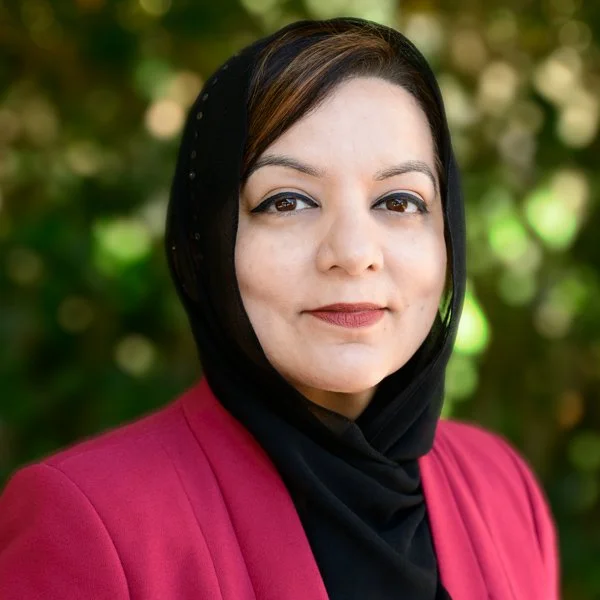
Sobia Khan, Ph.D.
Vice President of Academic Affairs
Los Angeles City College

Ram Subramaniam, Ph.D.
Vice President of Instruction at De Anza College
DEIA advocate for California Community
College Chief Instructional Officers Board.

Dr. Sobia Khan is a visionary higher education leader with nearly two decades of experience advancing student success, innovation, and community impact. She currently serves as Vice President of Academic Affairs at Los Angeles City College, a historic institution in the heart of Hollywood that serves approximately 24,000 students across more than 100 academic, career, and vocational programs. Her work centers on aligning systems, data, and resources to improve completion, close equity gaps, and strengthen workforce outcomes.
Previously, Dr. Khan served as Provost of the East and Lake Nona Campuses at Valencia College, Florida—an inaugural Aspen Prize winner for Community College Excellence—where she supported more than 18,000 students and led strategic initiatives to improve access, persistence, and workforce alignment. She also served as Dean for Academic Success at San Antonio College, Texas in the Alamo Colleges District, recipient of the 2021 Aspen Prize leading large-scale efforts in guided pathways, online learning expansion, and student support redesign to improve student outcomes.
She began her career at Dallas College, where she served as Professor of English, Faculty Association Vice President, AANAPISI grant director, and co-led Achieving the Dream efforts. Across her roles, Dr. Khan brings a proven record of strategic leadership, innovation, and inclusive excellence.
A national leader in the field, Dr. Khan serves as President of the National Asian Pacific Islander Council (NAPIC), an affiliate of the American Association of Community Colleges, and has contributed to the AACC Commission on Student Success. She is a scholar-practitioner and co-editor of Beyond Equity at Community Colleges (Routledge, 2022).
She is inspired by the transformative power of education and is committed to shaping policies, systems, and cultures that accelerate economic mobility, close achievement gaps and empower every student and employee to thrive.
Vice President Ram Subramaniam is a veteran educator who began his community college career as a chemistry instructor at De Anza, before holding administrative and senior leadership positions at Foothill College and Hartnell College.
He returned to De Anza as vice president in June 2025, after serving as vice president of Student Success and Teaching Excellence at Hartnell, where he led the effort to clear barriers for students by realigning academic divisions around Guided Pathways meta-majors. Working closely with instructional deans and student services, he also implemented an annual course schedule that allows students to enroll in a full year of classes in advance.
While at Hartnell, Subramaniam established new offices of Workforce Development and Distance Education, diversified the academic leadership team, oversaw new Zero Textbook Cost initiatives to lower expenses for students, and spearheaded the development of a districtwide infrastructure for professional learning.
Before he joined Hartnell in 2023, Subramaniam was dean of STEM programs at Foothill, where he also served as acting associate vice president of Instruction. In those positions, he led a comprehensive redesign of the program review process and developed institutional resource allocation guidelines.
Also at Foothill, Subramaniam oversaw transformation of the Science Learning Institute into an equity-focused program supporting historically marginalized students in STEM; worked to expand dual enrollment across multiple school districts; and launched a credit-bearing certificate pathway for incarcerated learners in partnership with Elmwood Correctional Facility. Earlier, Subramaniam taught chemistry at De Anza for nine years and served as department coordinator and curriculum committee co-chair. One of his proudest achievements there was creating an open-access lab manual for the General Chemistry sequence, which is still in use. He has also taught at Santa Clara University and Hamilton College.
Subramaniam earned a bachelor’s degree in engineering and a master’s in chemistry from Birla Institute of Technology and Science in India, followed by a Ph.D. in chemistry from the University of Kentucky, where he studied biochemical markers of Alzheimer’s disease. Subramaniam also served as a post-doctoral fellow in biochemistry at Case Western Reserve University.
Scan the QR Code to register
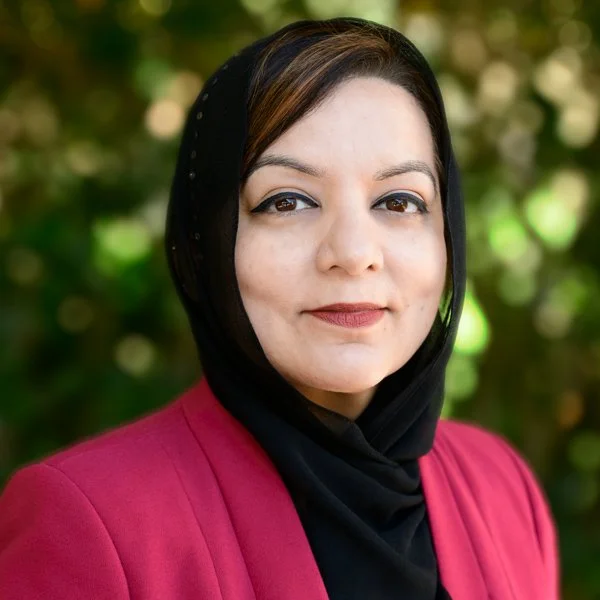
You Matter Here
by Sobia Khan, Ph.D., Vice President of Academic Affairs at Los Angeles City College
Published in CC Daily May 27, 2026

A jumbo banner reading “You Matter Here,” placed on the side of a building, welcomes students from the parking lot to the campus of Los Angeles City College (LACC). The two-year college serves Koreatown, Little Bangladesh, Little Armenia and many other communities that make up the diverse fabric of Los Angeles.
Across the nation, community colleges previously designated as Asian American Native Hawaiian Pacific Islander-Serving Institutions (AANAPISIs) highlighted 26.8 million AANHPI people representing diverse cultures, languages and ethnic origins. Asian American, Native Hawaiian and Pacific Islander (AANHPI) Heritage Month gives us an opportunity to center, honor and make visible AANHPI students and communities through data, service and storytelling.
Kris is a student worker hired in my vice president’s office at LACC. Fluent in English, Tagalog and Japanese, he thrived at the college as he became involved in programs and activities such as Math, Engineering, Science Achievement (MESA), Game Club and undergraduate research. He is graduating with multiple honors, including placement on the President’s List and recognition as a semifinalist for the Jack Kent Cooke Transfer Scholarship. Kris found a sense of home in multiple campus spaces and student organizations despite initially not knowing how to navigate college as the first in his family to go to college in the United States.
I got to know William when he started working in my provost’s office as a student worker at Valencia College in Florida. He moved from Calgary, Canada, after barely finishing high school. He was intelligent and hardworking, but the pressure of being a high performer led him to burn out. After arriving at Valencia — a community college, not the Ivy League institution his family expected him to attend — he was able to reconnect with himself, reset expectations and find his own path to success. This month, he graduated as the college’s Distinguished Graduate, a journey shaped by finding community, building connections and engaging in curricular and extracurricular activities.
Last week, I met Subah, a Bengali American student who wears a hijab and attends LACC. She received a writing award for her poignant poetry. In her remarks at the award ceremony, she shared that she had never felt as valued and heard as she did in her creative writing class, where her professor reminded her that her feelings were valid and that her voice mattered.
Intentional connection, affirmation and care
For all three students and for the 1.45 million AAPI students enrolled in postsecondary education across the nation, 20.5% of whom attended community colleges in fall 2023, how we listen to and support AANHPI students matters. William, Kris and Subah are examples of students we must continue to serve through intentional connection, affirmation and care.
In today’s challenging national climate, where identities are increasingly homogenized and marginalized communities often feel unseen, community colleges continue to play a critical role in nurturing under-resourced and minoritized students. In California, state lawmakers are stepping in to support students in the absence of federal funding for Minority-Serving Institutions, including AANAPISIs and Hispanic-Serving Institutions. Meanwhile, colleges across the nation are creating conditions for student success through strategies such as data disaggregation to address achievement gaps, expanded dual enrollment and access opportunities for local high school students, and increased local investment through foundations, community organizations and Promise programs that support students financially in the absence of federal grants.
As AANHPI Heritage Month comes to a close, it is important to remember the multitude of experiences, identities, abilities and aspirations represented within this immensely diverse population. Community colleges remain uniquely positioned to ensure these students are seen, heard, supported and reminded every day: You matter here.
Access the article here
In this article, Seattle Colleges Chancellor Rosie Rimando-Chareunsap reflects on balancing executive leadership with parenting, emphasizing that all decisions must be made for the long-term benefit of the institution. She shares a powerful metaphor from 2010 about juggling glass balls (priorities that will break if dropped) versus rubber balls (those that can bounce back), which has guided her approach to leadership and setting boundaries.
Read the full article here
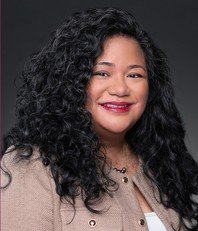
Rosie Rimando-Chareunsap, Ed.D.
Seattle Colleges Chancellor
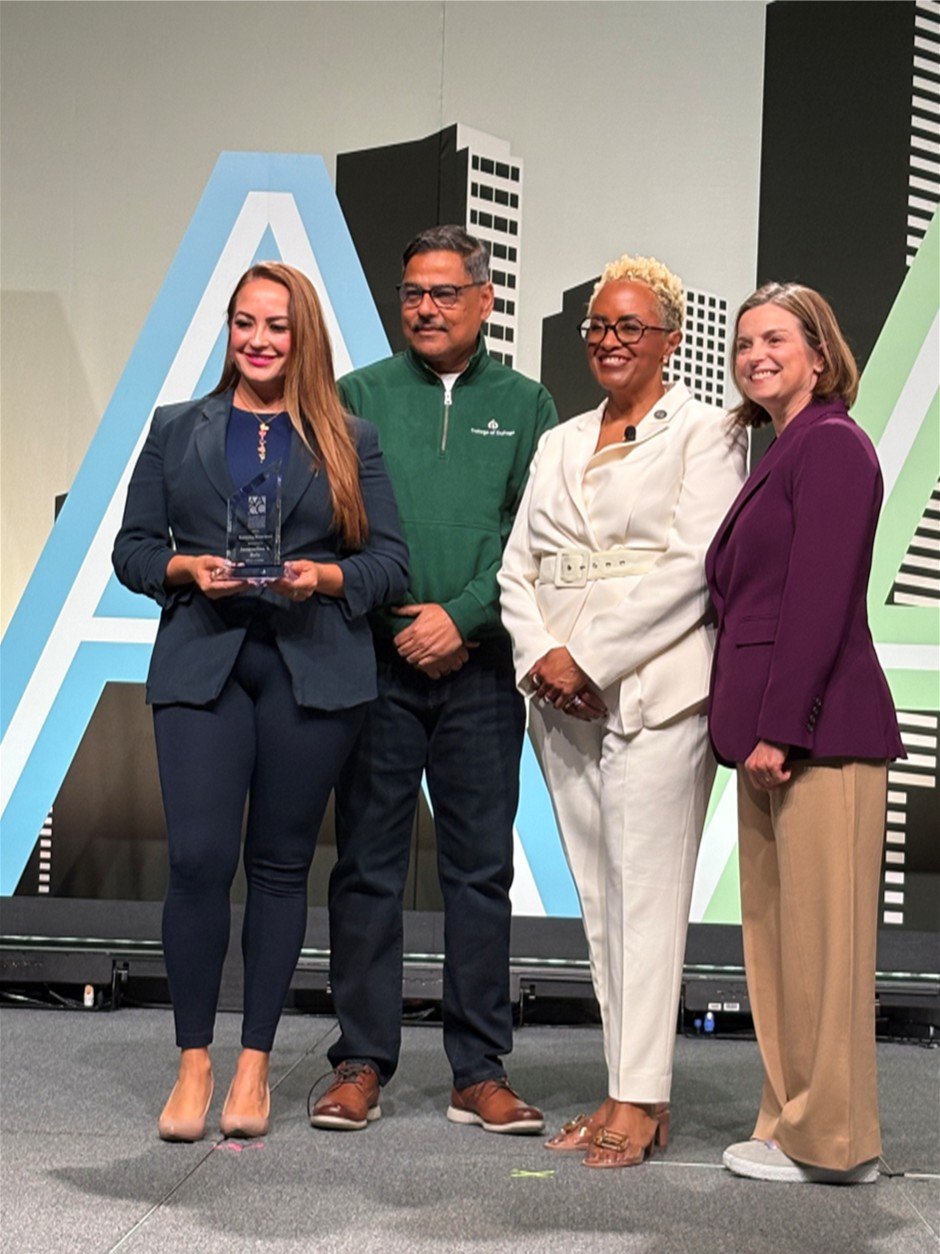
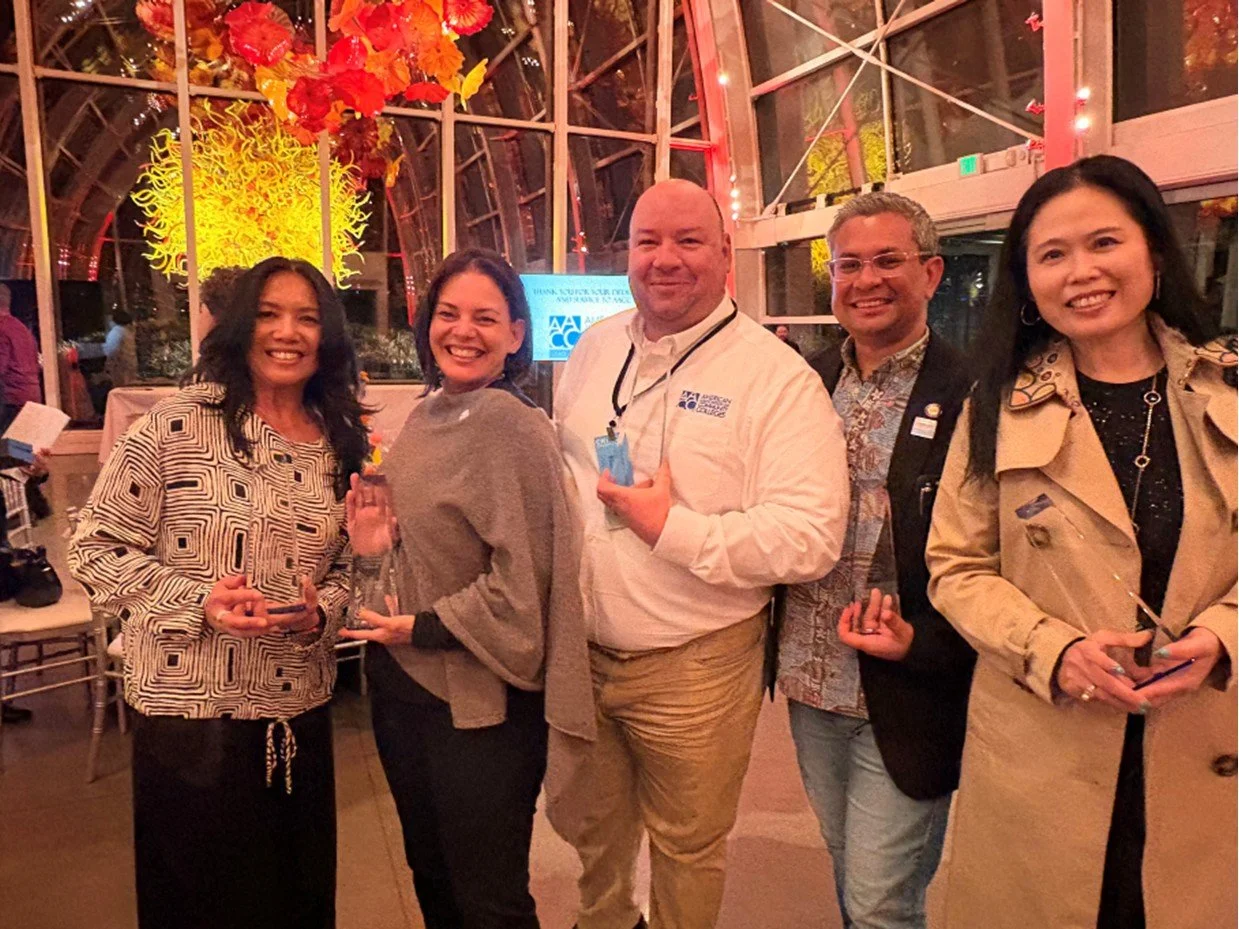
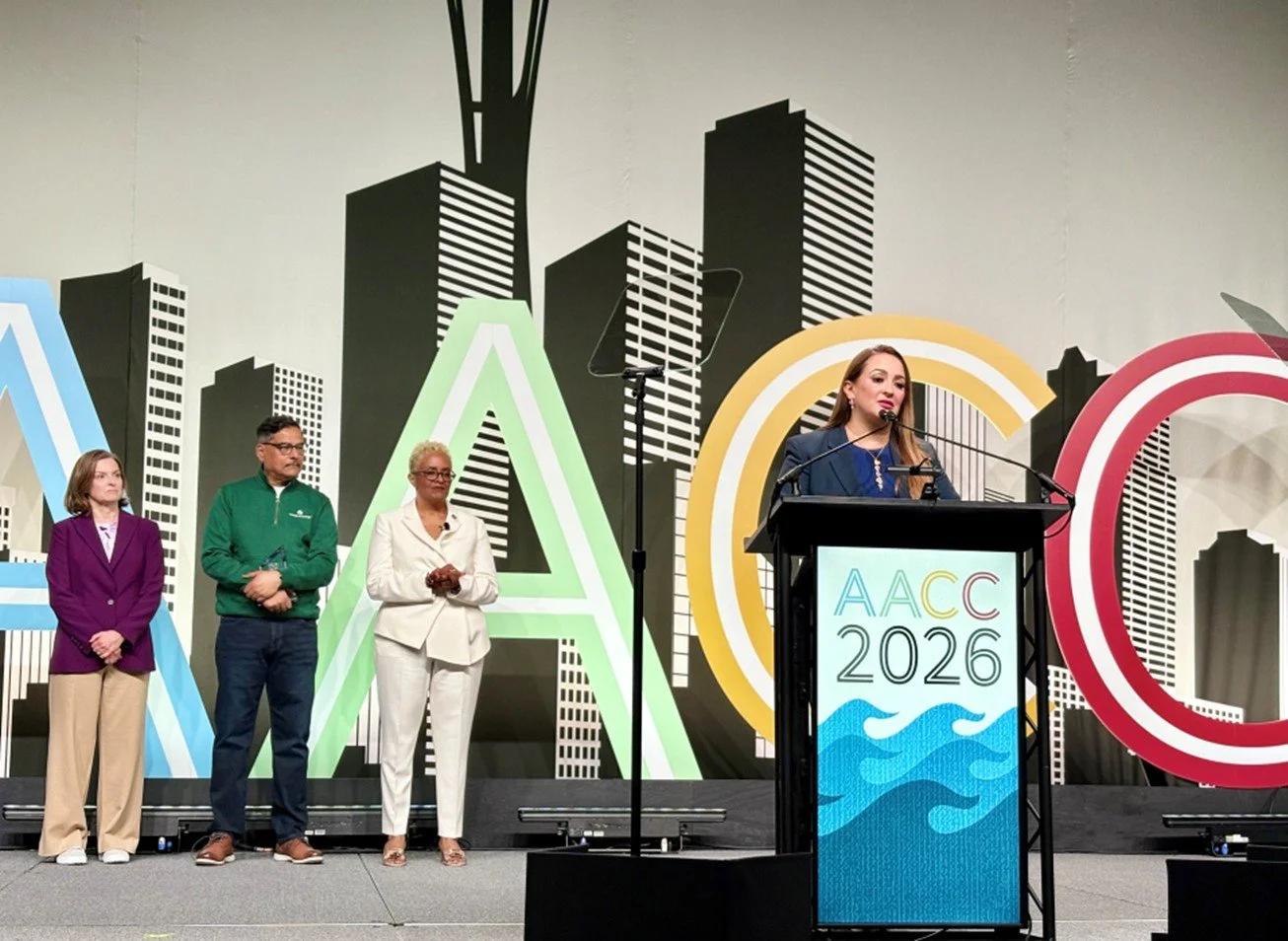
During its Annual Conference in Seattle, AACC celebrated the outstanding service of some of NAPIC board members:
· Rowena Tomaneng, Ph. D., Deputy Chancellor of California Community Colleges (CA), for her service as Chair of the committee on Directors and Membership Services
· Lin Zhou, Ph. D. , President of Bates Technical College (WA), for her service as a member on the Board of Directors
During the awards ceremony, Dr. Muddassir Siddiqi, President of College of DuPage (IL) had the honor and privilege of giving the “2026 Outstanding Alumni Awards” to Jacqueline Ruiz, CEO of JJR Marketing, Book publisher, keynote speaker and pilot, alumna of College of DuPage (IL)
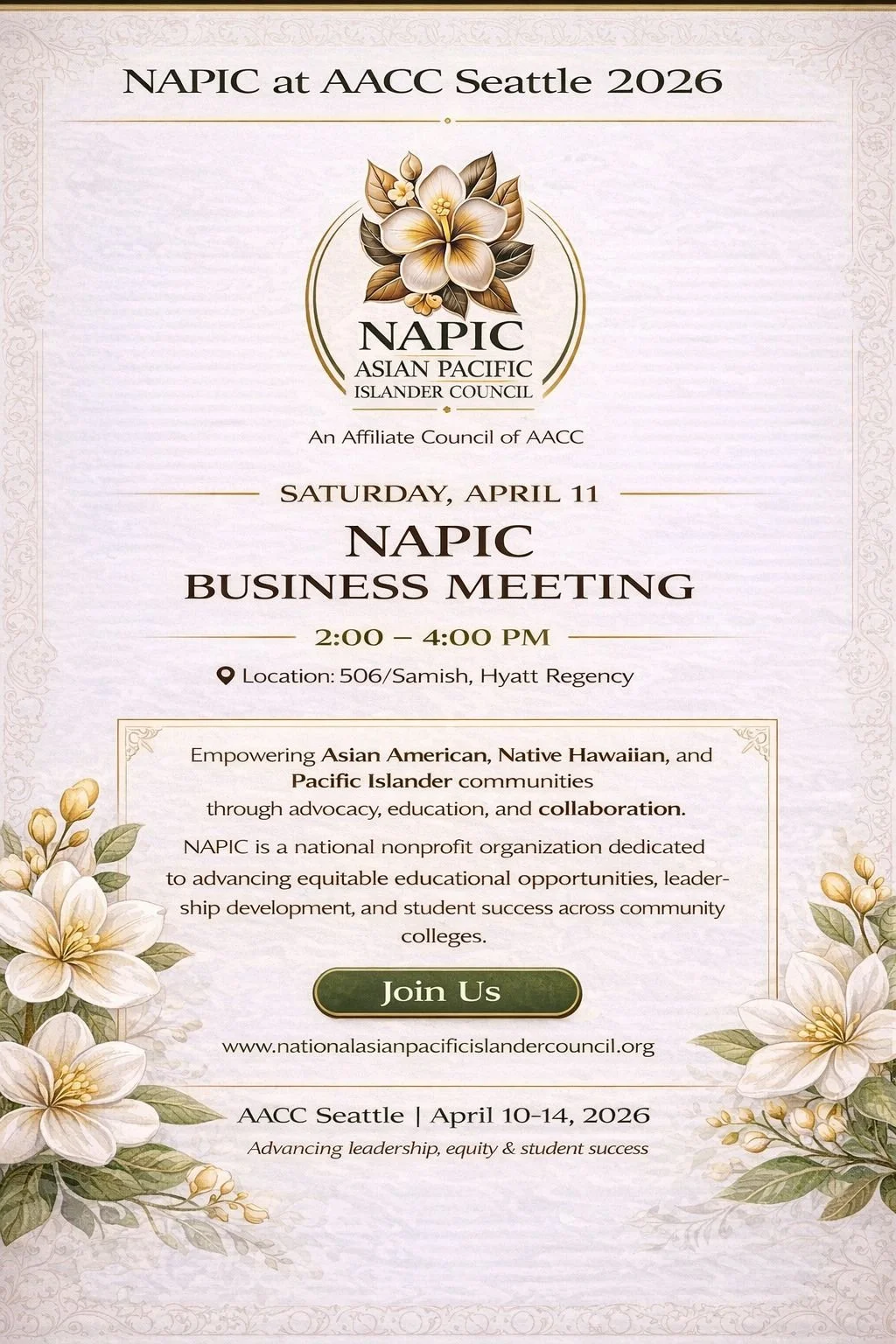
National Asian Pacific Islander Council (NAPIC)
looks forward to the Annual American Association of Community Colleges (AACC)
in Seattle, April 10-14, 2026.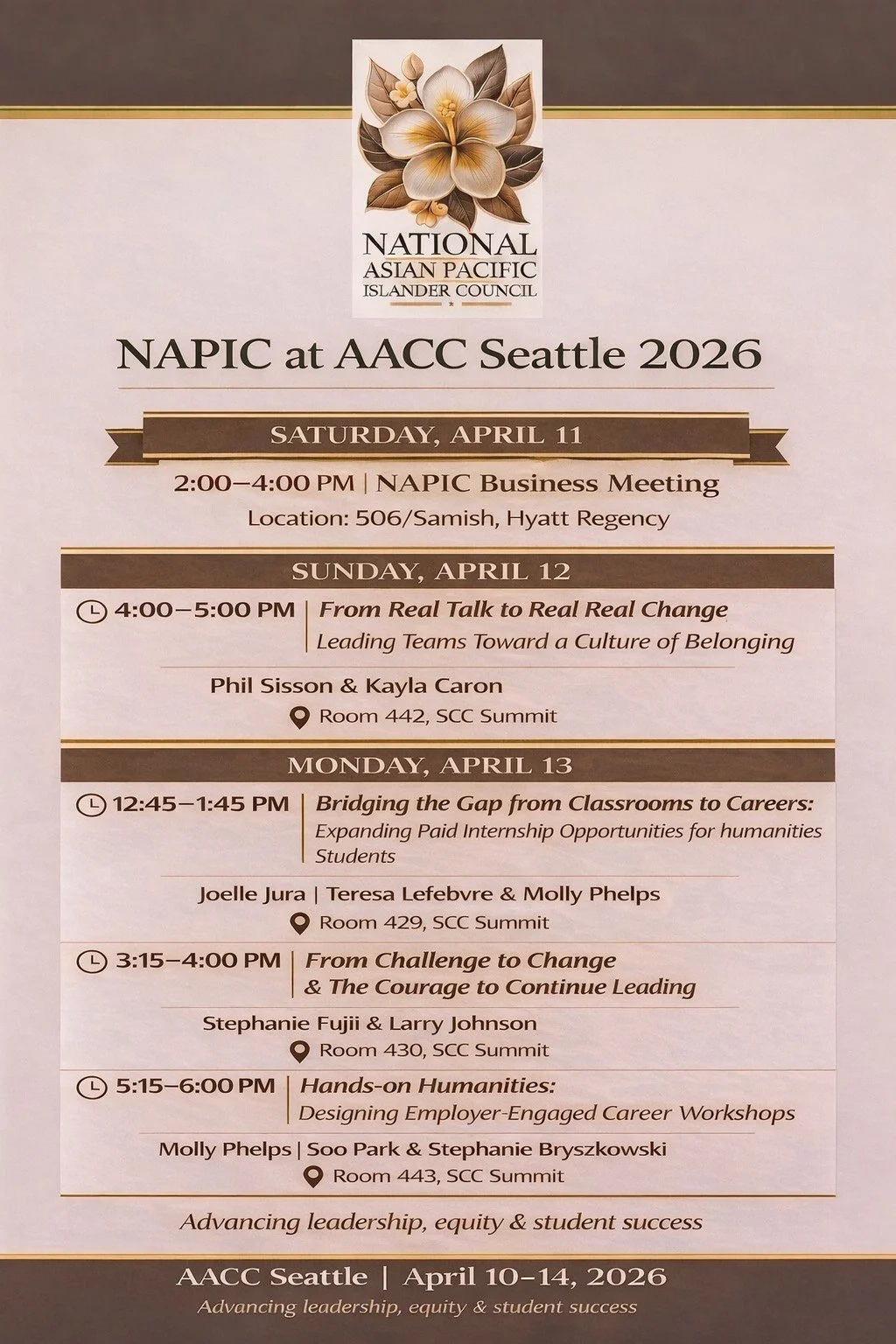
Authentic Leadership & Career Advancement Workshop
Thursday, March 26, 2026 at 1:00 PM MST (12 PM PST | 2 PM CST | 3 PM EST)
Join us for an engaging session designed to empower professionals with strategies for leading authentically while advancing their careers. This workshop will explore practical approaches to building trust, fostering inclusive environments, and aligning personal values with organizational goals. Participants will gain actionable insights from experienced leaders on navigating challenges, cultivating resilience, and positioning themselves for growth in today’s dynamic workplace.
This workshop is brought to you by two exceptional leaders whose remarkable careers speak volumes. Take this opportunity to learn from their expertise, insights, and proven strategies for success.
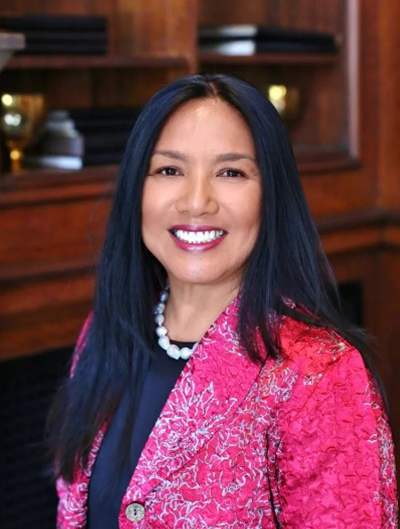
Rowena Tomaneng, Ed.D.
Deputy Chancellor for the California Community College
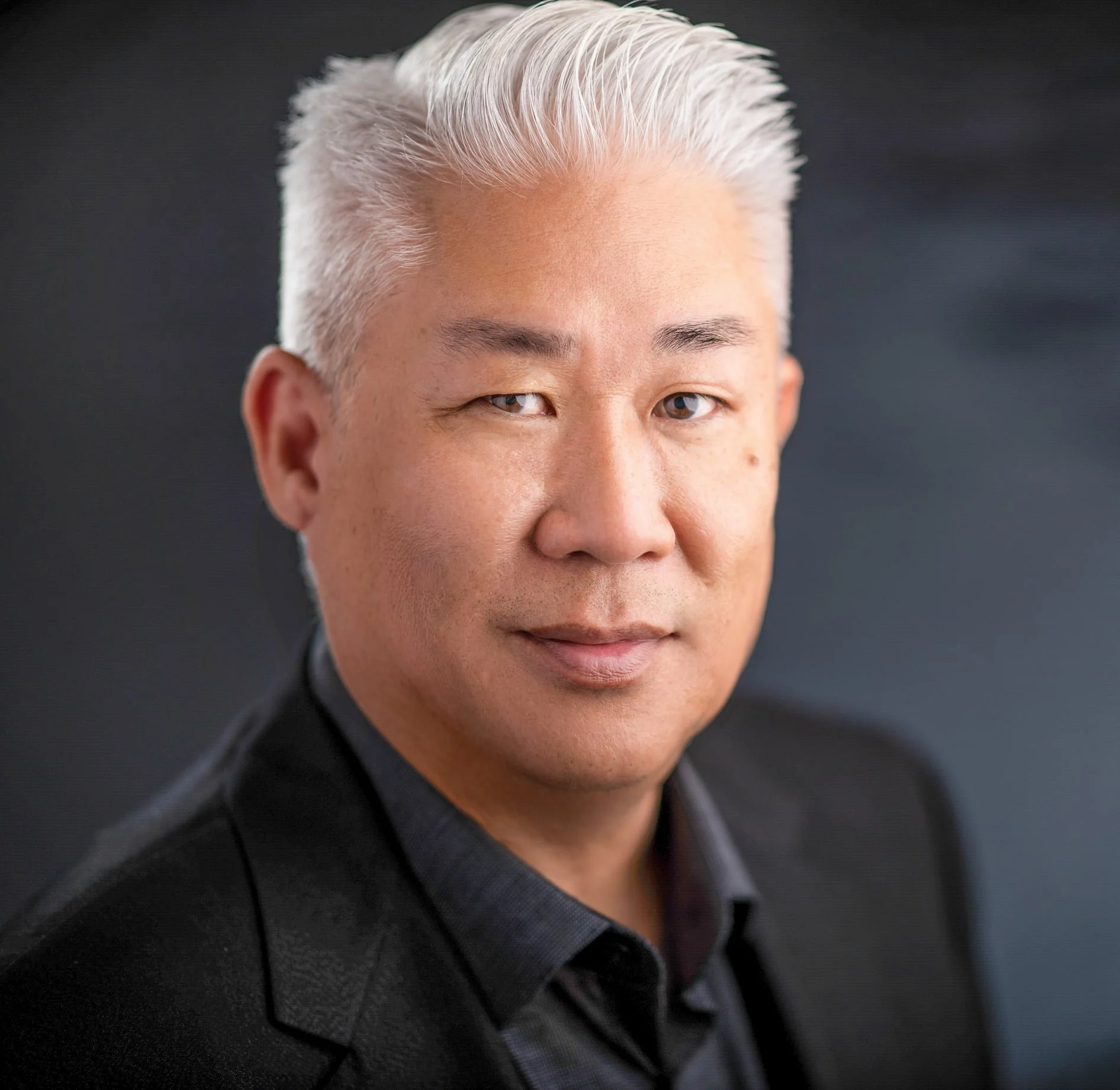
Wyman Fong, MS HRM
Served as Vice Chancellor of Human Resources Emeritus for the Chabot-Las Positas Community College District
Dr. Rowena M. Tomaneng has been a multicultural educator in the California Community Colleges for 31 years. She is currently Deputy Chancellor for the California Community Colleges since 2024, responsible for implementing the Vision 2030 goals of increasing with equity student access, success, and support through three strategic directions: Equitable Baccalaureate Attainment, Workforce and Economic Development, and generative AI and the Future of Learning. She oversees seven divisions that support 116 colleges and 2.2. million students; Academic Affairs; Student Services; Workforce and Economic Development; Research, Analytics, and Data; Program Operations and System Initiatives; Equity, Innovation, and Institutional Effectiveness; and Strategic Educational and Workforce Initiatives.
Prior to joining the Chancellor’s Office, Dr. Tomaneng served as President of San José City College (SJCC) in the San José-Evergreen Community College District from 2020-2025 and President of Berkeley City College (BCC) in the Peralta Community College District from 2016-2020. Dr. Tomaneng previously served in multiple roles at De Anza College, in the Foothill-De Anza Community College District, including faculty, Division Dean, and Associate Vice President of Instruction
Beyond the Chancellor’s, Dr. Tomaneng serves as President of Asian Pacific Americans in Higher Education (APAHE) Board of Directors, executive member of the Board of Directors of the American Association of Community Colleges (AACC), member of the American Council on Education Strengthening Institutions Roundtable, and Commissioner for the Accrediting Commission for Community and Junior Colleges (ACCJC). Dr. Tomaneng's teaching, research and publications explore human rights, social movements, transnational feminism, and racial equity in education. She has written and contributed to a variety of publications including the Journal of Multicultural Perspectives, Overcoming Educational Racism in the Community College, and Transformative Practices for Minority Student Success: Accomplishments of Asian American Native American Pacific Islander Serving Institutions.
A first-generation immigrant from the Philippines and community college transfer student from Cypress College, Dr. Tomaneng received her EdD from the University of San Francisco's School of Education in International and Multicultural Education with a concentration in Human Rights Education, MA in English from the University of California, Santa Barbara, and BA in English from the University of California, Irvine.
Wyman M. Fong is designated as Vice Chancellor of Human Resources Emeritus for the Chabot-Las Positas Community College District (CLPCCD) - given his early retirement on December 31, 2024. Prior to his emeritus status, Wyman was the longest serving vice chancellor of human resources in the California Community College system.
Some highlights of his contributions include:
Wyman was elected in 2021 as President for the Association of California Community College Administrators (ACCCA). ACCCA is an organization for administrators of California’s 116 community college campuses, serving 2.1 million students.
Wyman also was elected and served two terms as statewide President for the Association of Chief Human Resource Officers/Equal Employment Officers (ACHRO).
Wyman takes great pride having served as a national Board member (and past president) for Asian Pacific Americans in Higher Education (APAHE). He currently serves as an emeritus board member, and volunteers annually for Leadership Education for Asian Pacifics.
Wyman was a founding and former member of The Coalition, which is three higher educational organizations standing in solidarity to address conditions of inequity within the California Community College system. These organizations include the African American Male Education Network and Development (A2MEND), Asian Pacific Americans in Higher Education (APAHE), and California Community College Organizacion de Latinx Empowerment Guidance & Advocacy for Success (COLEGAS).
Wyman was also nominated as a member of the Board of Directors for the National Asian/Pacific Islander Council (NAPIC), an affiliated council of the American Association for Community Colleges (AACC) and concluded his service in 2024.
If you wish to participate, simply register here.
AACC Fall Meeting & Coalition of Affiliated Councils
Thank you to everyone who participated in the AACC Fall meeting and the Coalition of Affiliated Councils (COAC) Meeting in Arlington, VA. It was a wonderful opportunity to connect, share ideas, and collaborate on shaping the future of our work together. During our discussions, we explored the Resilient by Design Report. Community colleges must design for resilience, not just react to change. AACC and its members face seismic shifts—demographics, technology, workforce needs, and funding pressures—that demand bold, integrated strategies. There is incredible momentum with Dr. Pollard—her leadership is energizing all of us, and her vision is sparking excitement across the organization.
MCC Joins Statewide Effort at Massachusetts State House to Advocate for AANAPISI Funding
On July 30 and November 12, 2025, Middlesex Community College (MCC) joined fellow AANAPISI (Asian American and Native American Pacific Islander-Serving Institutions) program staff from UMass Lowell, UMass Boston, and Bunker Hill Community College at the Massachusetts State House to advocate for continued support of AANAPISI initiatives. As a result of the discontinuation of the federal AANAPISI grant funding, the group urged state legislators to consider state-level backing to ensure the longevity of these transformative programs.
Members of the House Asian Caucus—State Representative Tackey Chan (Quincy), Amy Sangiolo (Newton), Erika Uyterhoeven (Somerville), and Representative Tara Hong (18th Middlesex District, Lowell)—met with students and staff to hear firsthand about the critical role AANAPISI funding plays in student success.
The AANAPISI grants have enabled the four institutions to build a culturally responsive and holistic support system for Asian American, Pacific Islander, and low-income students. These efforts have directly led to improved academic outcomes, including increased persistence, retention, and graduation rates.
MCC and its AANAPISI partners are urging lawmakers to recognize the profound impact these programs have had and to consider new avenues of state support.
Middlesex Community College Celebrates 55 Years of Impact and Community Partnership
On October 8, 2025, Middlesex Community College (MCC) proudly celebrated 55 years of excellence, innovation, and community impact — a milestone honoring the thousands of students, faculty, staff, alumni, and community partners who have shaped the college’s remarkable journey.
The celebration brought together over 480 guests, including state and city officials, MCC retirees, and dedicated community members, all gathered to recognize the college’s enduring contributions to education and the region. The event highlighted MCC’s legacy of empowering learners, fostering opportunity, and building strong, inclusive communities across the Commonwealth.
This year’s celebration carried added significance as MCC also marked 10 years of its designation as an Asian American, Native American, Pacific Islander Serving Institution (AANAPISI). This milestone underscores the college’s ongoing commitment to diversity, equity, and inclusion—values that continue to define its mission and shape the student experience.
In true MCC spirit, the event was not only a celebration of the past but also an investment in the future. All proceeds benefited the MCC Student Emergency Fund for Essential Needs, supporting students who face unexpected financial challenges that can disrupt their education.
As the college reflects on its 55-year legacy, the evening served as a powerful reminder of how collaboration, compassion, and community can transform lives. Middlesex Community College remains dedicated to creating access, opportunity, and pathways to success for all students.

LEAP Advance 2025 – Recognition
NAPIC wishes to congratulate the LEAP Advance 2025 Cohort & express our gratitude to APAHE & LEAP for their collective efforts in investing & supporting our Asian and Pacific Islander educators. Many NAPIC leaders are honored and pleased to serve as faculty for this incredible program!

-
The Persistent 'Bamboo Ceiling': AAPI Leaders Still Rare Among College Presidents
Diverse Education, May 2025
Asian American and Pacific Islander (AAPI) leaders remain significantly underrepresented in college presidencies, holding just 3.6% of such roles. Despite their growing presence in higher education, AAPI professionals face the "bamboo ceiling"—biases that hinder leadership advancement. The article highlights efforts to support AAPI leadership through mentorship and advocacy, while spotlighting current leaders as examples of progress. Read the entire article:

AACC Joint Councils Reception
Come together for an evening of collaboration!
Hosted by NCBAA, PRT, NAPIC & NCCHC, this reception is the perfect opportunity to connect, network, and celebrate our collective impact in higher education.
Omni Nashville: Legends Ballroom G
